






Concrete is the foundation of any construction, but it’s the finishing that determines its longevity, strength, and appearance. Skill is crucial because improper placement or finishing often leads to major issues, such as crumbling, cracked, or dusty concrete. To meet these demands, professionals must master the latest techniques and use precision tools. Discover 7 mistakes to avoid during concrete finishing.
Critical Mistakes to Avoid
To ensure the durability and aesthetics of your projects in the demanding climate of Quebec and Canada, mastering concrete placement is fundamental. Here are seven critical mistakes to avoid to ensure project success.
1 – Adding water to the mix or on the surface during finishing
The water-to-cement ratio is a precise science; any added water in the mixer on-site weakens the structure. Similarly, sprinkling water on the surface to facilitate smoothing in hot weather is a major error, making the concrete dusty and prone to scaling. To improve workability without compromising strength, use superplasticizers.
2 – Poor preparation of the substrate or absorbent base
Pouring concrete on a dry or dirty surface severely affects adhesion. An overly absorbent base “drinks” the mix water, causing premature setting and crazing cracks. It is essential to clean, degrease, and moisten the infrastructure before pouring to avoid this sudden loss of water.
3 – Too rapid drying or neglecting curing
Cement hydration requires consistent moisture during the first days. Premature drying makes the surface brittle and promotes the formation of shrinkage cracks. Curing should begin immediately after finishing and last at least 7 to 10 days, using membranes, wet cloths, or plastic sheets.
4 – Excessive or poorly timed troweling
Troweling too early, before the bleed water has evaporated, traps moisture and weakens the surface layer. Conversely, over-smoothing brings too many fine particles to the top, causing crazing. Patience is key: wait until the concrete is firm enough to support a worker without sinking.
5 – Omitting or underdosing the release agent on formwork
Release agents prevent concrete from sticking to the mold. Forgetting or underapplying it causes material tearing during demolding, ruining the texture. Always apply a thin, even layer on clean surfaces to achieve sharp edges and a uniform color.
6 – Failing to properly seal or protect finished concrete
Being naturally porous, raw concrete readily absorbs oils and dirt, causing permanent stains. Without a sealer, aesthetic durability is compromised, and the structure is exposed to freeze-thaw damage. Sealing is a crucial final step to protect against wear and external aggressions.
7 – Pouring decorative concrete in inappropriate weather conditions
Temperature and humidity drastically affect the setting. Intense cold slows hydration, while extreme heat accelerates uncontrolled evaporation. Avoid pours in extreme weather to prevent color inconsistencies and ensure architectural quality.
By avoiding these technical pitfalls and rigorously following placement steps, each pour can become a durable, aesthetically pleasing work that meets the highest standards of the Canadian construction industry.
Trends: The Pursuit of Perfection
Today, clients no longer just want a solid slab—they demand a flawless surface. To remain competitive, you must master the new frontiers of technical and architectural finishing.
1 – The flatness imperative: uncompromising precision
In projects such as warehouses and garages, flatness requirements (FF indices) have become an absolute standard. Basement slabs are unforgiving: even minor placement or finishing errors compromise the floor’s technical performance. Achieving a perfectly flat surface is now your best mark of professionalism.
2 – Modern techniques: the power of precision
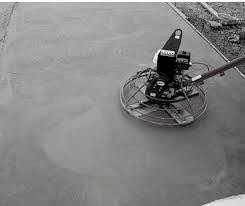
To achieve millimeter-level quality, invest in advanced equipment such as rotary mechanical trowels. By performing multiple smoothing passes methodically (up to five times), water is reincorporated into the mix. This ensures complete curing and an exceptional, defect-free surface.
3 – Innovative materials: science serving durability
Go beyond traditional sealers that wear out quickly. You can now use silicate densifiers that protect the structure in depth and resist wear. For total resistance to oils and calcium, applying a complementary silane resin transforms your concrete into an impenetrable barrier.
By adopting these technologies and advanced materials, you’re not just delivering a floor—you’re offering a durable, aesthetic, and technically flawless structure that highlights your expertise for years to come.
The Best High-Tech Tools to Optimize Finishing
To raise your finishing standards and ensure full client satisfaction, choosing the right tools is just as crucial as mastering the concrete mix. The Canadian manufacturer Plate 2000 has established itself as a leading partner by offering innovative equipment designed to tackle modern aggregate challenges while maximizing your on-site efficiency.
Here are three cutting-edge solutions that will transform the way you work and the results you achieve:
1 – The Big Foot Pan Saver System: for record flatness
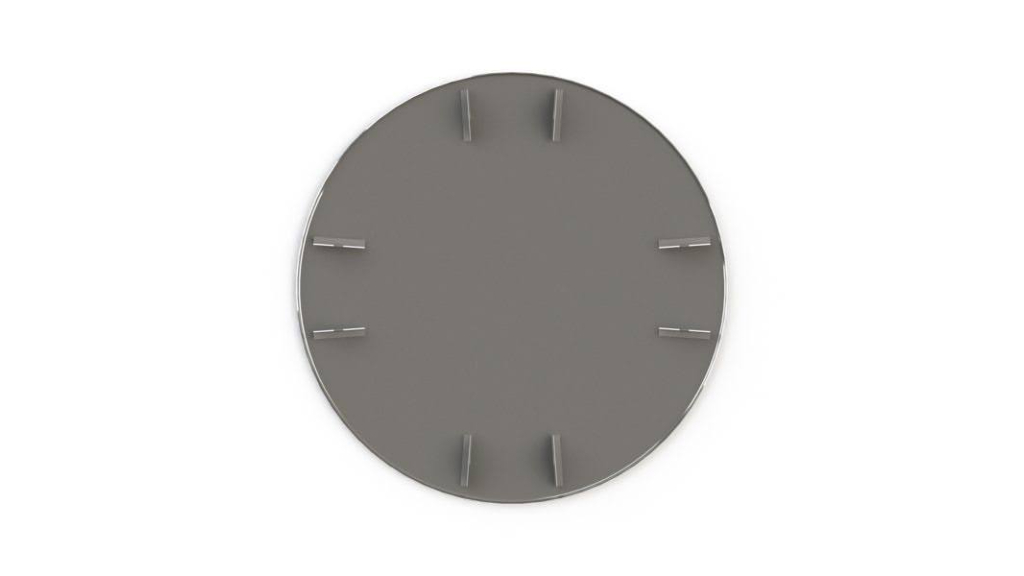
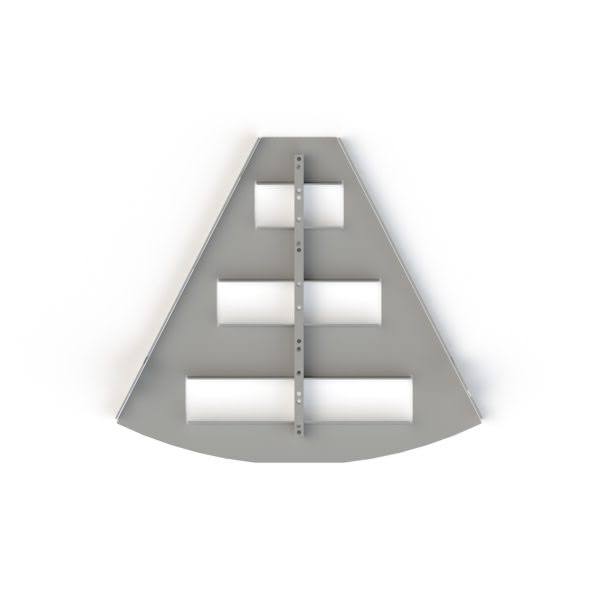
This patented system is a true revolution for large-scale slabs. Unlike a standard finishing pan, which engages only 40% of the concrete surface, the Big Foot Pan Saver System engages 80% of the concrete surface.
- For you and your company: Gain speed in execution and reduce maintenance costs thanks to the extended lifespan of your pans.
For the concrete: By better distributing the weight of the mechanical trowel, you get a denser, stronger slab with exceptional flatness. Some clients report a 12-point gain on the FF index, transforming an ordinary surface into a high-precision floor (from 60 FF to 80 FF).
2 – Power Pro Trowel Blades (0.094″): strength for superior finishing
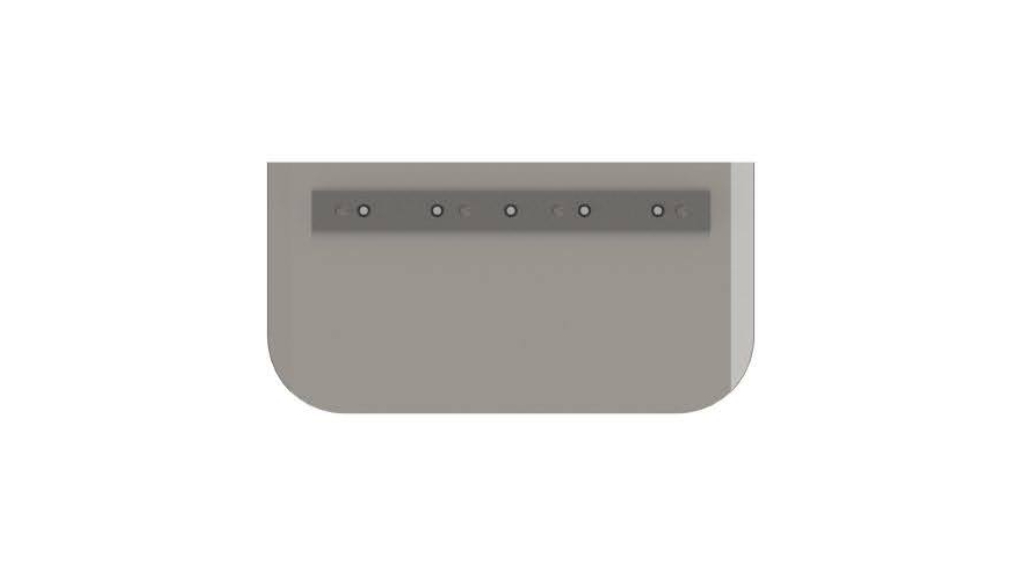
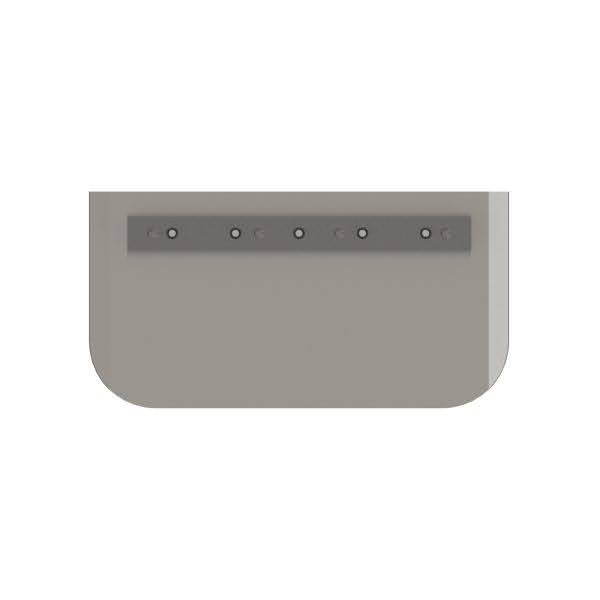
If you use heavy mechanical trowels for large projects, the Power Pro line is your best ally. With a thickness of 0.094 inch, these steel alloy blades are designed to withstand the most intense conditions without warping.
- For you: A cost-effective investment that minimizes long-term expenses by avoiding frequent replacements.
- For the concrete: They deliver the smoothest, most professional finish possible, ideal for warehouses or surfaces requiring a high degree of polishing.
3 – Plastic Pro Line (0.375 & 0.500″): elegance without stains
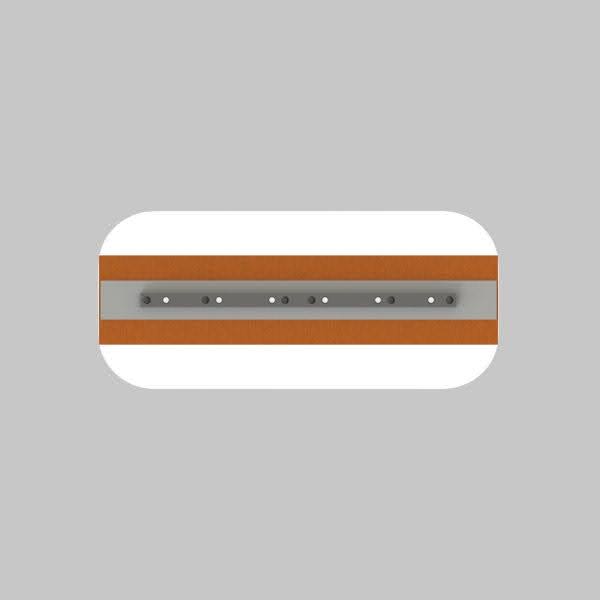
For decorative or colored concrete projects, brown or black marks left by steel are often an aesthetic nightmare. Plastic Pro blades, made from high-strength plastic, eliminate this issue entirely.
- For you: Work with consistent stability and total peace of mind, knowing the result will be flawless on the first pass.
- For the concrete: Their design ensures consistent performance and prevents visual imperfections, delivering a clean, durable finish for architectural surfaces.
By integrating these high-performance tools into your arsenal, you’re not just finishing a floor—you’re optimizing your profit margins while delivering a project of superior technical and aesthetic quality. Investing in Plate 2000 technology means choosing the pride of a job well done and the longevity of your work.
Conclusion
The success of a concrete finishing project relies on a threefold approach: precise mix ratios, adherence to proper placement steps, and the use of equipment that meets modern demands. Innovative tools like the Big Foot Pan Saver System and the Plate 2000 Power Pro line are designed to support finishers’ work and significantly improve floor quality, reducing the risk of mistakes and costly repairs.