






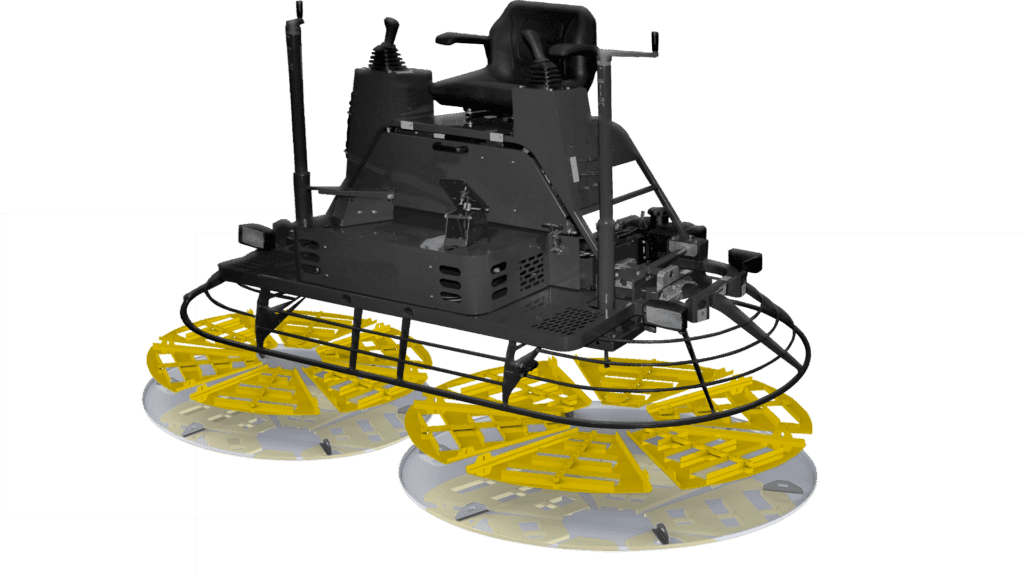
For professional concrete finishers in Quebec and across North America, achieving perfect flatness and high FF ratings is a daily challenge. Choosing wisely between float pans and trowel plates directly impacts productivity and surface durability. Discover a comparison of premium tools designed to handle modern aggregates and optimize every one of your concrete finishing projects.
Float Pans
In the concrete finishing industry, the quality of the tools used makes all the difference between a slab that is merely acceptable and a floor that meets the most demanding standards. Among these tools, float pans play a central role. These metal discs, attached beneath power trowels, ensure the crucial first stage of the process: floating.
Plate 2000, a manufacturer specializing in professional concrete finishing tools, offers a complete range of float pans designed to meet the diverse needs of finishers and contractors.
1) Plate 2000 Flat Pans
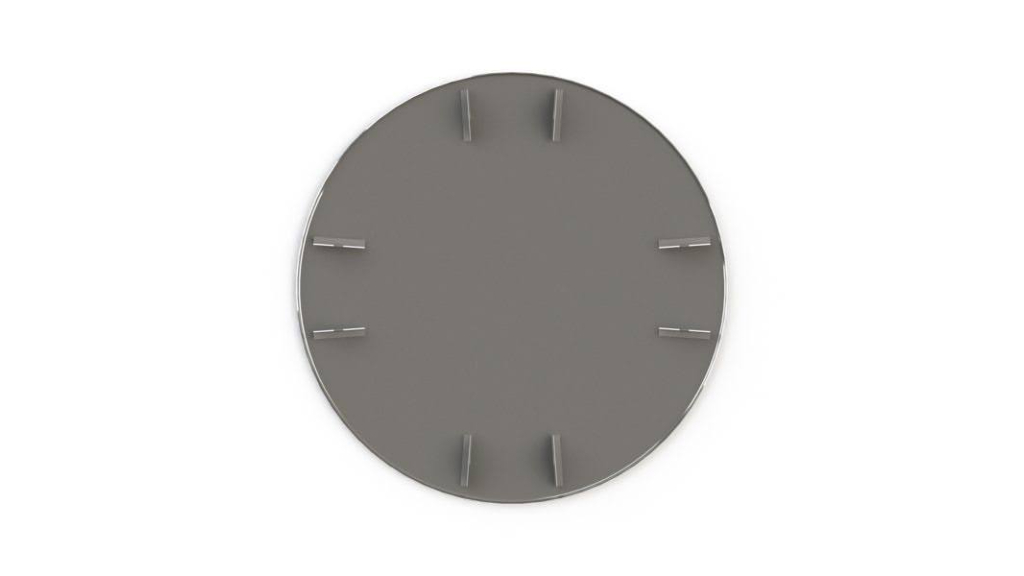
Flat pans, also known as standard flat discs, are the most common models:
- They take the form of large circular steel discs.
- They are attached directly under power trowels, mainly walk-behind models.
- Their function is to level and compact freshly poured concrete, eliminating surface irregularities.
The flat pan is the fundamental tool for initiating the finishing process. It prepares the slab for subsequent steps, such as fine troweling or polishing.
Advantages of Flat Pans:
- Easy operator control, even on lighter machines.
- Reliable and consistent results for most standard applications.
- Suitable for medium-sized surfaces such as garages, commercial floors, or small industrial slabs.
2) Super Flat Pans: For Superior Flatness
At the higher end of the range are super flat pans. These discs are engineered to meet the strictest flatness and tolerance requirements:
- They feature a significantly larger and more uniform contact surface than standard flat pans.
- They are exclusively designed for ride-on power trowels, providing the necessary power and weight to maximize performance.
- Their perfectly uniform profile allows for significantly higher flatness ratings (FF/FL).
Common Applications of Super Flat Pans:
- High-performance logistics warehouses, where forklifts and AGVs require perfectly flat floors.
- Slabs designed for automation and mobile robotics.
- Large industrial surfaces require consistent flatness.
- Projects with strictly controlled leveling tolerances (e.g., data centers).
Advantages of Super Flat Pans:
- Increased flatness and more uniform finishing.
- Better preparation for fine troweling or polishing stages.
- Superior durability and performance in demanding environments.
3) Comparison Between Flat Pan and Super Flat Pan
To help professionals select the right tool, discover the key differences between these Plate 2000 tools:
| Flat Pan | Super Flat Pan |
|---|---|
| Used with walk-behind trowels. | Used exclusively with ride-on trowels. |
| Ideal for medium-sized surfaces and standard applications. | Designed for large surfaces and high-tolerance projects. |
| Provides good control and a proper finish. | Delivers ultra-flat and uniform floors. |
The Float Clip-On: A High-Precision Accessory
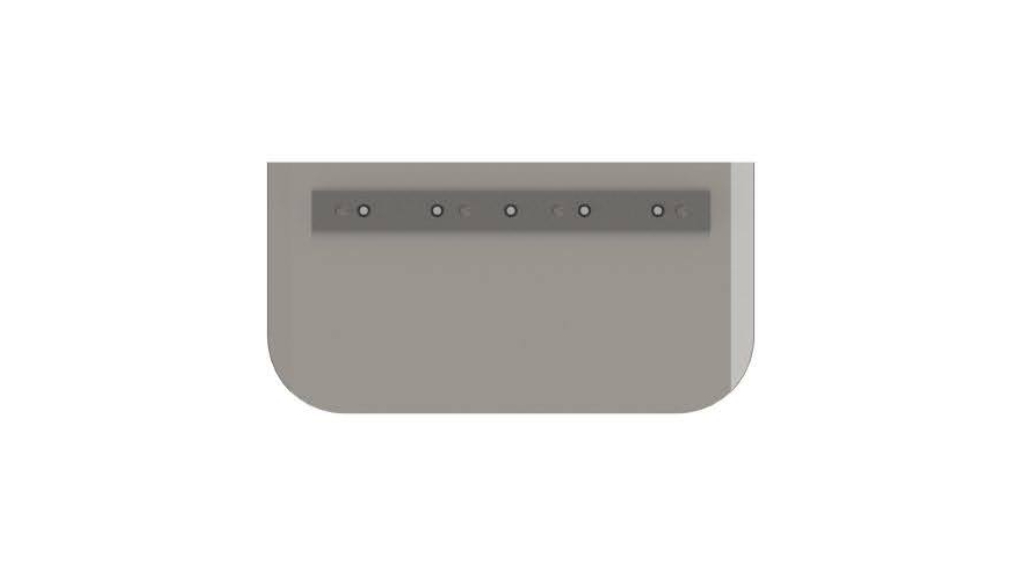
Concrete professionals know that every detail matters when it comes to achieving a uniform and durable slab. With this in mind, the float clip-on stands out as a high-precision accessory specifically designed to optimize the first working phase with walk-behind power trowels. Unlike traditional float pans, which are installed on the machine arms, the clip-on attaches directly to the blades, offering a compact, efficient solution.
Key Features:
- Made from 10-gauge steel, ensuring strength and longevity.
- Rectangular shape with a slight bevel on all four sides, preventing the blades from digging into or gouging the concrete.
- Designed to fit multiple Plate 2000 trowel models, ensuring practical compatibility for finishers.
Advantages of the Float Clip-On
- Increased precision: Helps break down high spots and achieve a more even surface.
- Uniformity: Engine suction and vibration promote mortar rise to the surface, contributing to a more homogeneous slab.
- Safety and control: The beveled edges reduce the risk of marking or unintentional gouging.
- Versatility: Quick to install and compatible with different trowel models, making it a flexible and easy-to-store tool.
Recommended Use
The float clip-on is recommended during the first finishing stage, when the blades are set flat. It excels in situations where you need to:
- Correct initial concrete irregularities.
- Prepare the surface for fine troweling or polishing stages.
- Work on medium-sized slabs where precision is essential.
The float clip-on is essential for projects requiring a compact, precise, and safe tool to improve slab quality from the very first passes.
Innovation Trend: The Big Foot System
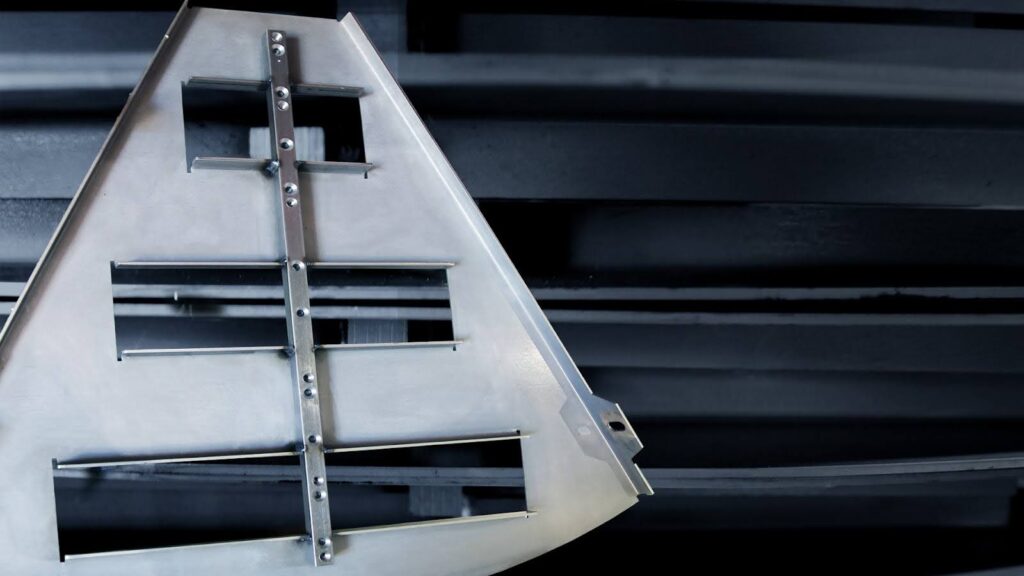
In an industry where precision and durability are non-negotiable, Plate 2000 stands out with the development of the Big Foot Pan Saver system—an innovation patented in the United States that redefines concrete finishing standards. Designed to meet the growing needs of finishers and contractors, this system pursues two primary objectives:
- Extend the lifespan of float pans.
- Improve slab flatness.
The Big Foot principle is based on a more uniform distribution of the power trowel’s weight. While a standard float pan provides only about 40% surface contact with the concrete, the Big Foot system increases that proportion to up to 80%. This optimization reduces irregularities and ensures greater stability during floating. The result is flatter, more uniform, and stronger concrete, optimally prepared for finishing or polishing stages.
Key Advantages of the Big Foot System
- Increased durability: The innovative design extends the lifespan of Plate 2000 float pans by over 25%, and by more than 50% compared to other float pans available on the market.
- Superior flatness: Thanks to the expanded contact surface, slabs achieve significantly higher flatness ratings (up to a 25% increase).
- Improved efficiency: Finishing times are reduced, boosting productivity on job sites.
- Reliability: Enhanced stability minimizes irregularities and ensures consistent quality. Additionally, no rotation is required during the project, reducing on-site manual interventions, lowering the risk of injury, and eliminating downtime.
Recommended Use
The Big Foot system is particularly recommended for projects where flatness and durability are critical, such as logistics warehouses, high-tolerance industrial floors, and slabs designed for automation. It stands out as a cutting-edge solution for professionals seeking to combine performance and profitability.
Conclusion
Optimizing slab flatness requires robust tools—from the patented Big Foot system to Super Flat discs. By selecting equipment tailored to your ride-on or walk-behind trowel, you reduce costly repairs and increase profit margins. Invest in innovation to deliver durable surfaces that meet the most rigorous industry standards